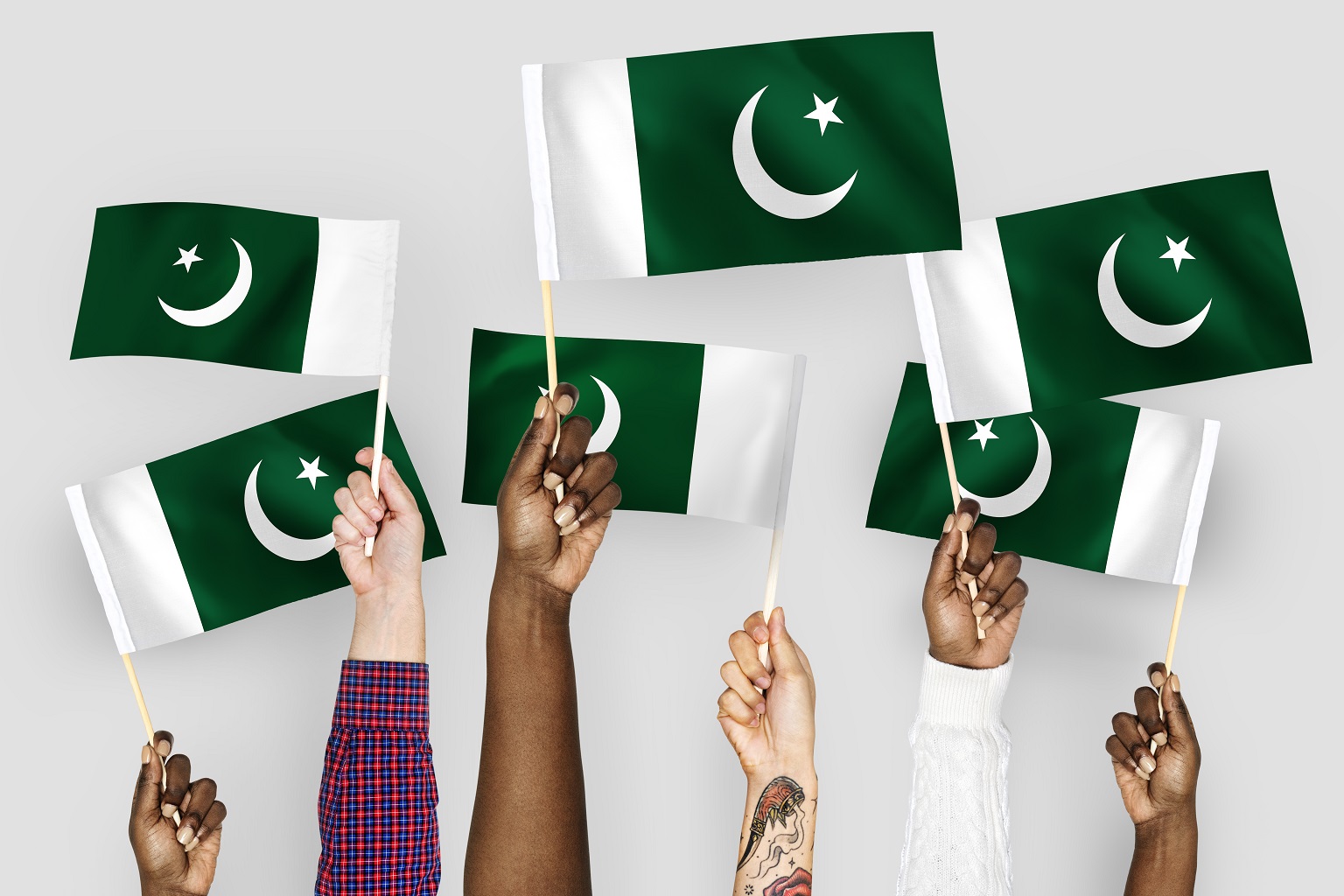
Democracy has been touted as the ideal form of government for many countries around the world. However, in Pakistan, the concept of democracy seems more like a fairy tale than a reality. Despite having a democratic constitution and holding regular elections, Pakistan has struggled to establish a stable and effective democratic government. This article will explore why democracy has been a fairy tale in Pakistan and what needs to be done to make it a reality
Democracy in Pakistan has faced significant challenges since the country’s independence in 1947. Despite holding regular elections and having a democratic constitution, the country has gone through several periods of political instability, military interventions, and civil unrest. Army is the true power in pakistan.
One of the primary reasons why democracy has failed in Pakistan is due to the country’s political culture. Pakistani politics is characterized by a high degree of polarization, with political parties and factions frequently engaging in personal attacks and bitter rivalries. This culture of polarization has made it difficult for political leaders to work together and establish long-term policies and programs. As a result, Pakistan has had a history of political instability, with frequent changes in government and power struggles.
Another major obstacle to democracy in Pakistan is corruption and nepotism. Corruption is widespread in Pakistan, with politicians and officials often engaging in bribery, kickbacks, and nepotism. This has eroded public trust in the government and democratic institutions, leading to a lack of legitimacy. Corruption also diverts public resources away from essential services and programs, hindering the country’s development.
Weak democratic institutions are also a significant challenge for democracy in Pakistan. The judiciary, media, and civil society are often weak and susceptible to political interference and pressure. This makes it difficult to ensure free and fair elections, protect civil liberties, and hold officials accountable for their actions. In addition, the military has played a significant role in Pakistan’s politics, often intervening in civilian affairs and toppling democratically elected governments. This creates a culture of instability and uncertainty, with politicians and civil society actors hesitant to challenge military authority.
Security challenges, including terrorism, insurgency, and sectarian violence, have also undermined democracy in Pakistan. These challenges have led to increased military influence in government affairs and a crackdown on civil liberties, further eroding democratic institutions and processes.
To establish a stable and effective democratic government in Pakistan, several steps need to be taken.
Firstly, there needs to be a concerted effort to address corruption and nepotism. This can be achieved through effective legislation and independent oversight mechanisms to hold officials accountable for their actions.
Secondly, there needs to be a focus on strengthening democratic institutions, including the judiciary, media, and civil society. This will help ensure free and fair elections, protect civil liberties, and hold officials accountable for their actions.
Thirdly, there needs to be a reduction in the military’s influence in government affairs. This can be achieved through effective civilian oversight mechanisms and the establishment of clear boundaries between military and civilian authority.
Finally, there needs to be a focus on addressing security challenges, including terrorism, insurgency, and sectarian violence. This can be achieved through a combination of military and civilian measures, including effective law enforcement, community outreach programs, and counter-terrorism measures.
In conclusion, democracy has been a fairy tale in Pakistan due to a combination of political polarization, corruption, weak institutions, military interventions, and security challenges. To make democracy a reality in Pakistan, there needs to be a concerted effort to address these challenges and establish a stable and effective democratic government. This will require the cooperation of all stakeholders, including politicians, civil society, and the military, as well as support from the international community.